🧠 Overview
Nasoseptal migraines originate from compression of nerves inside the nasal cavity, particularly where the nasal septum makes contact with the lateral nasal wall (contact points). These headaches are often mistaken for sinus headaches.
🎯 Affected Nerve:
Nasoseptal Nerve (Branch of Anterior Ethmoidal Nerve)
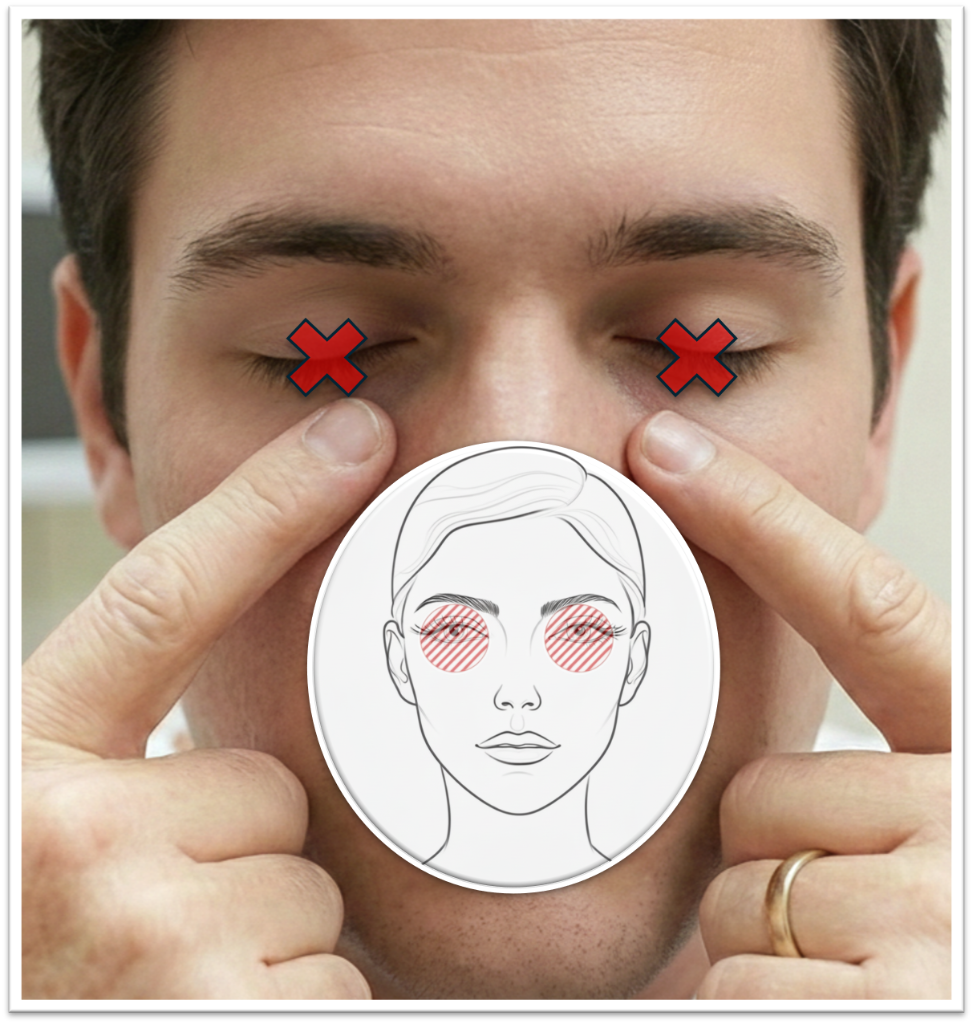
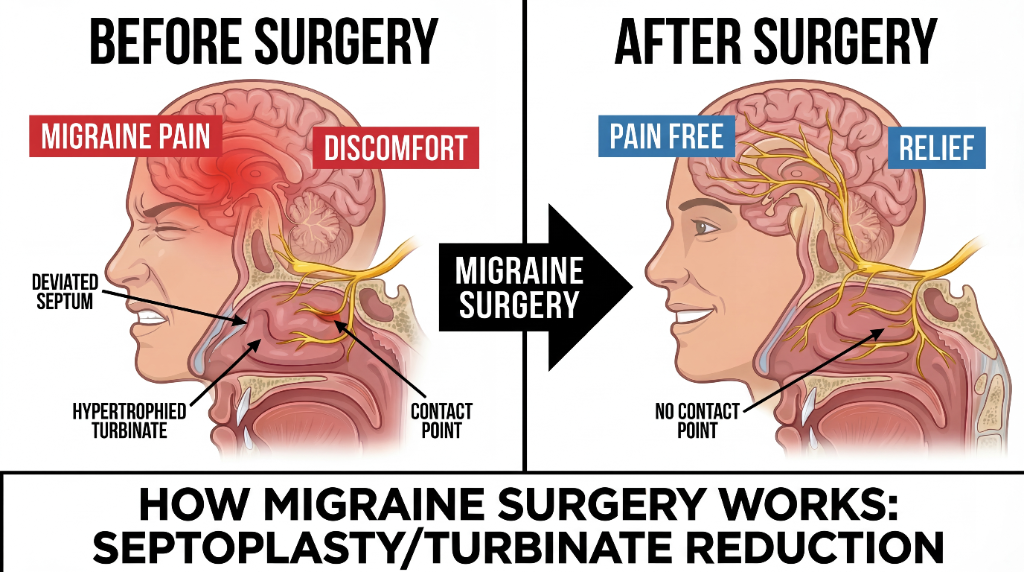
Anterior Ethmoidal Nerve Deactivation
💭 Headache Characteristics
📍 Pain Location
Pain is felt deep behind the eyes, at the bridge of the nose, or deep within the nasal cavity. Patients often point to the area between their eyes.
⚡ Pain Character
Deep, aching pressure that feels like intense sinus pressure. Often described as feeling like "something is pressing from inside the nose" or "pressure building behind the eyes."
🌊 Pain Migration Pattern
The pain typically stays focused in the midface region - behind and between the eyes, across the nasal bridge. It may radiate to the forehead but remains predominantly central.
✨ Pain Quality
Constant deep pressure rather than throbbing. The pain is often worse with weather changes, bending forward, or lying down. Patients may experience associated nasal congestion or facial fullness.
🔬 Diagnostic Nerve Block
Diagnostic confirmation requires topical anesthetic applied directly to the contact points inside the nose using cotton pledgets soaked in lidocaine. Relief within 10-15 minutes indicates intranasal trigger.
💡 Important: A positive response to nerve block is the most reliable way to confirm this trigger zone and predict surgical success.
⚕️ Surgical Procedure
This is an endoscopic procedure performed entirely through the nostrils with no external incisions. The surgeon identifies and removes contact points (often bone spurs or deviated septum) that are compressing the nerves. The procedure takes 30-45 minutes and is often done under conscious sedation.
📊 Expected Outcomes
💊 Pain Relief Results
80-85% of patients with proven contact points experience significant relief. Best results occur in patients with documented contact points on CT scan and positive response to nerve block.
💊 Medication Reduction
Approximately 70% of patients reduce their medication use by at least 50%. Many no longer mistake their headaches for sinus infections and stop unnecessary antibiotic use.
🏥 Recovery & Postoperative Care
Minimal external recovery needed. Nasal packing is usually removed within 24-48 hours. Some nasal congestion and mild discomfort for 1-2 weeks. Full healing of nasal tissues takes 4-6 weeks. No visible scarring.
⏱️ Recovery Timeline:
- Days 1-3: Rest, ice application, minimal activity
- Days 4-7: Return to light activities, desk work
- Weeks 2-4: Gradual increase in activity, exercise
- Weeks 4-6: Full recovery, return to all activities