🧠 Overview
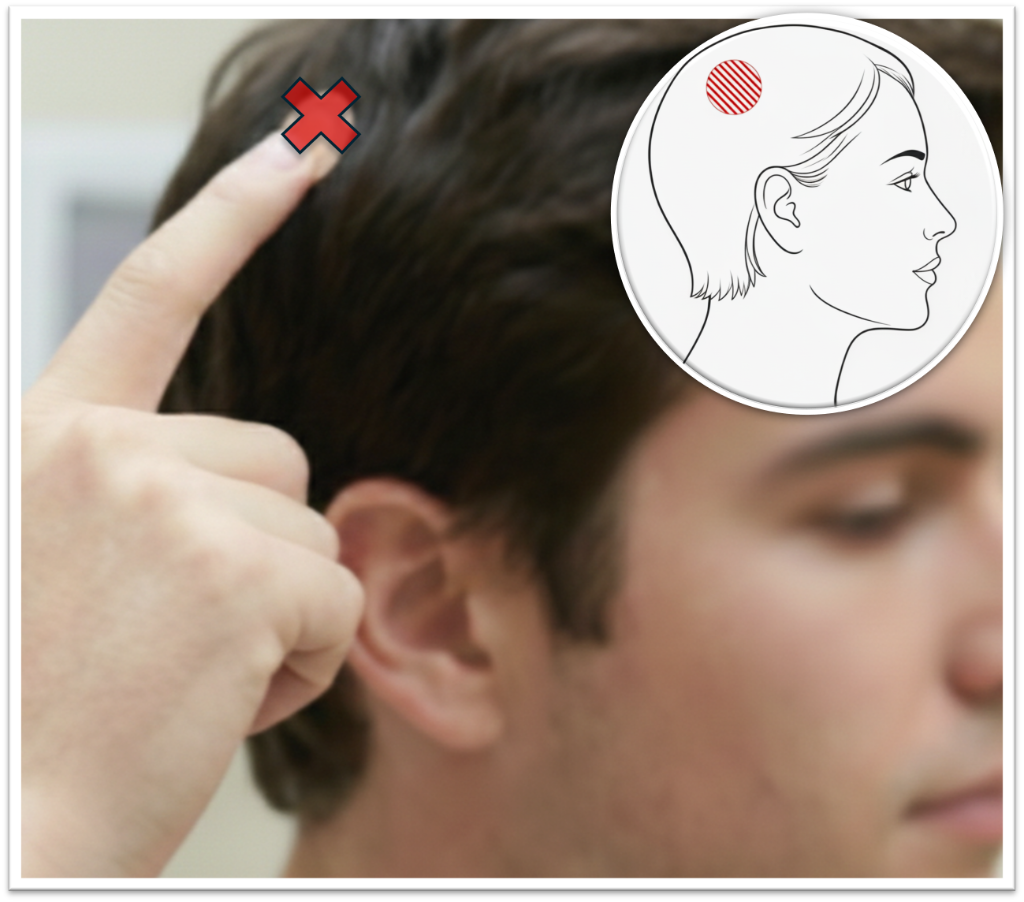
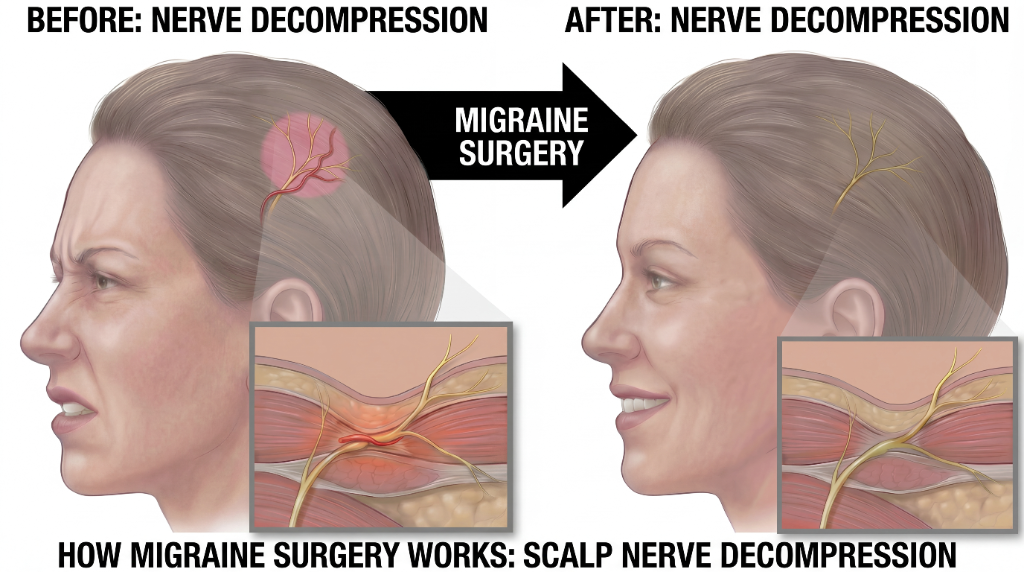
Nummular headaches are characterized by pain in a very specific, coin-sized area on the top of the head. The pain is caused by compression of small terminal nerve branches that supply sensation to the vertex (top) of the scalp.
🎯 Affected Nerve:
Epicranial sensory fibers (terminal branches of the trigeminal and occipital nerves)
Scalp Sensory Nerves Deactivation
💭 Headache Characteristics
📍 Pain Location
Pain is localized to a circular area on the top of the head, typically 2-6 cm in diameter. Patients can point to the exact spot with one finger. The area is usually off to one side of the midline.
⚡ Pain Character
Described as a sharp, burning, or tender spot on the scalp. The area is extremely sensitive to touch, making it uncomfortable to comb hair, wear hats, or rest the head on a pillow.
🌊 Pain Migration Pattern
Unlike other migraines, nummular headaches typically do NOT spread. The pain remains localized to the coin-shaped area. However, prolonged episodes may trigger secondary tension-type headaches that radiate outward.
✨ Pain Quality
Continuous or near-continuous pain with a burning, stabbing, or tender quality. The affected spot may feel different even to light touch - patients describe it as hyperesthetic (overly sensitive).
🔬 Diagnostic Nerve Block
Nerve block is performed by injecting local anesthetic directly into the painful spot on the scalp. Relief within minutes confirms the diagnosis. The block may need to be repeated in a slightly different location to find the exact nerve.
💡 Important: A positive response to nerve block is the most reliable way to confirm this trigger zone and predict surgical success.
⚕️ Surgical Procedure
Surgery involves a very small incision (1-2 cm) directly at the painful site. The compressed nerve endings are identified and released from surrounding scar tissue or fascial adhesions. The procedure is relatively simple and takes 20-30 minutes.
📊 Expected Outcomes
💊 Pain Relief Results
85-90% of patients experience complete or near-complete resolution of the localized pain. This zone has excellent success rates because the problem is so anatomically specific.
💊 Medication Reduction
Most patients can discontinue all medications specifically used for this headache. Some may continue medications for other headache types if multiple trigger zones are involved.
🏥 Recovery & Postoperative Care
Very quick recovery. Most patients return to all activities within 3-5 days. The incision is tiny and hidden within the hair. Local tenderness at the surgical site resolves within 1-2 weeks.
⏱️ Recovery Timeline:
- Days 1-3: Rest, ice application, minimal activity
- Days 4-7: Return to light activities, desk work
- Weeks 2-4: Gradual increase in activity, exercise
- Weeks 4-6: Full recovery, return to all activities