🧠 Overview
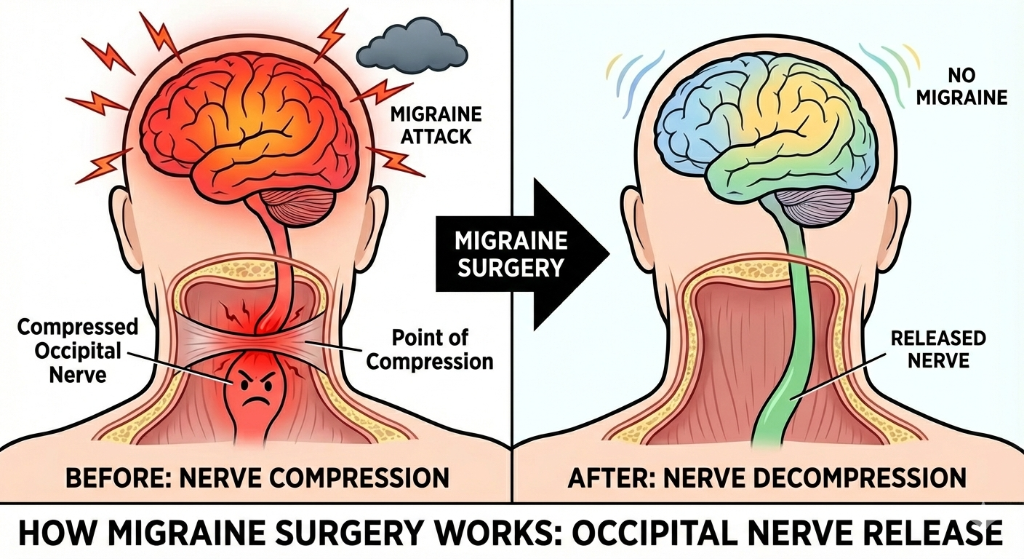
Occipital headaches result from compression of the greater and lesser occipital nerves as they pass through the muscles at the back of the head. These nerves emerge from the upper neck and travel upward over the back of the skull. There might be a history of a car accident with whip-lash injury
🎯 Affected Nerve:
Greater, Third, and Lesser Occipital Nerves
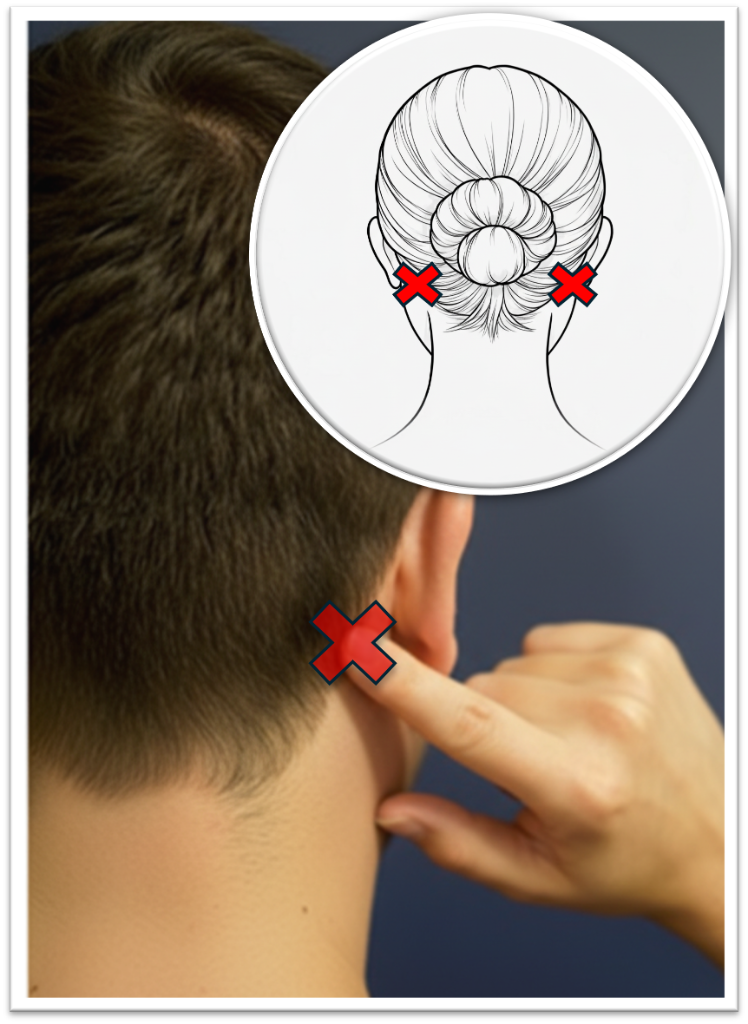
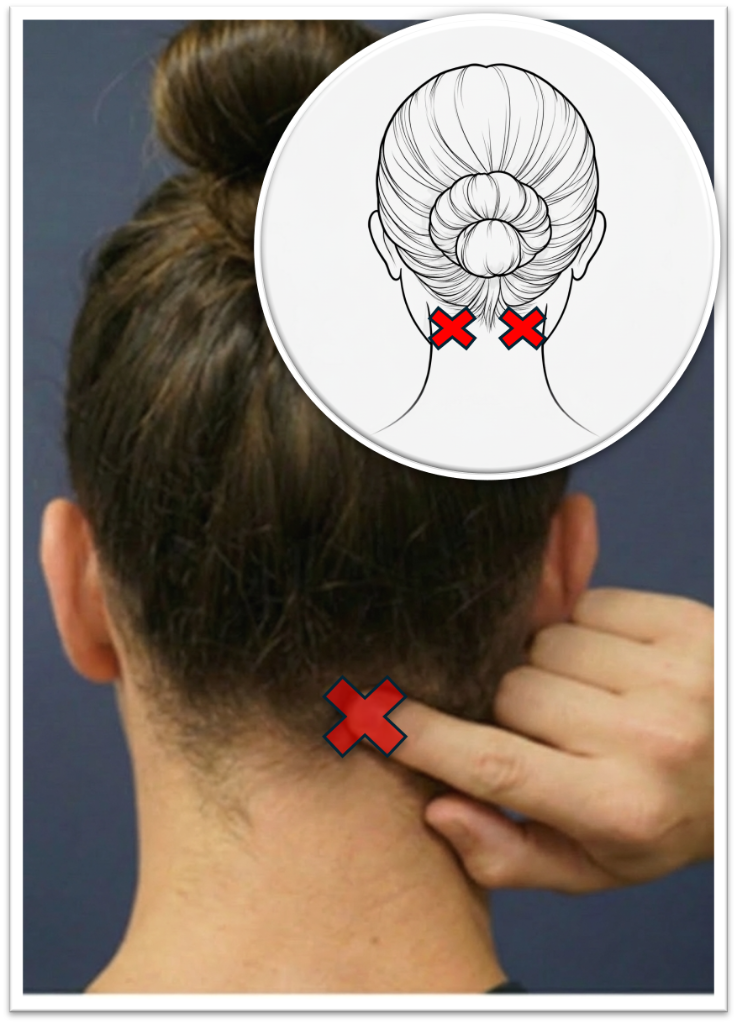
Greater, Third, and Lesser Occipital Nerves Deactivation
💭 Headache Characteristics
📍 Pain Location
Pain begins at the base of the skull, just above where the neck meets the head. It typically radiates upward over the back and top of the head, sometimes reaching the forehead or the area above the ear
⚡ Pain Character
Often described as a sharp, shooting, or electric shock-like pain. Many patients describe it as feeling like someone is driving a nail into the base of their skull.
🌊 Pain Migration Pattern
Starts at one or both sides of the occipital region (back of head) and travels upward like a band wrapping around the head. The pain may shoot forward over the top of the skull toward the eyes, or towards the area above the ears
✨ Pain Quality
Piercing, lancinating quality with sudden sharp jolts. Between attacks, there is often tenderness and a dull ache at the base of the skull. Patients are usually tender when touching the back of the head.
🔬 Diagnostic Nerve Block
Diagnostic nerve block involves injecting local anesthetic (using a tiny needle) at the point where the nerves are compressed, about 3 cm to the side of the midline at the base of the skull. Immediate relief confirms the diagnosis.
💡 Important: A positive response to nerve block is the most reliable way to confirm this trigger zone and predict surgical success.
⚕️ Surgical Procedure
Surgery involves releasing the nerves from the trapezius and semispinalis muscles through small incisions hidden in the hairline. The procedure addresses the greater, third, and lesser occipital nerves. Duration is typically 60-75 minutes. Patients can go home the same day
📊 Expected Outcomes
💊 Pain Relief Results
90-95% of patients experience dramatic improvement. Most report 70-90% reduction in headache intensity and frequency. This zone has one of the highest success rates.
💊 Medication Reduction
Over 85% of patients reduce medication use by more than 60%. Many patients become completely medication-free.
🏥 Recovery & Postoperative Care
Return to light activities within 5-7 days. Some neck stiffness is common initially but resolves within 2-3 weeks. Full recovery takes 6-8 weeks. Physical therapy may be recommended to maintain neck flexibility.
⏱️ Recovery Timeline:
- Days 1-3: Rest, ice application, minimal activity
- Days 4-7: Return to light activities, desk work
- Weeks 2-4: Gradual increase in activity, exercise
- Weeks 4-6: Full recovery, return to all activities